
Introduction
In today's fast-paced business environment, efficient identification and tracking technologies are essential for streamlining operations, managing inventory, and improving overall productivity. Two prominent technologies dominate this space: RFID (Radio Frequency Identification) and barcode systems. While both serve the fundamental purpose of identification, they differ significantly in capabilities, applications, and costs. This comparison will help you determine which technology aligns best with your specific business requirements.
What Are RFID and Barcode Technologies?
Barcode Technology
Barcodes are visual, machine-readable representations of data, typically displayed as parallel lines of varying widths (1D barcodes) or patterns of squares, dots, and other shapes (2D barcodes like QR codes). These optical labels are scanned using laser or image-based scanners that interpret the encoded information, most commonly product identification numbers and inventory data.
RFID Technology
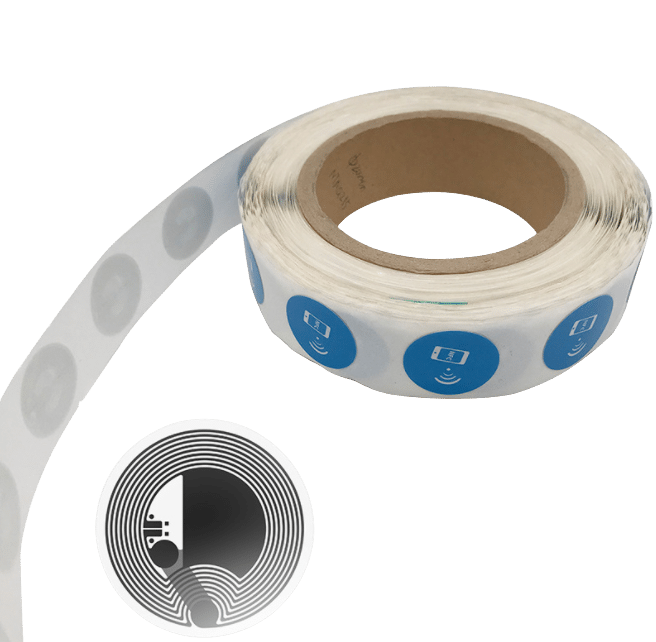
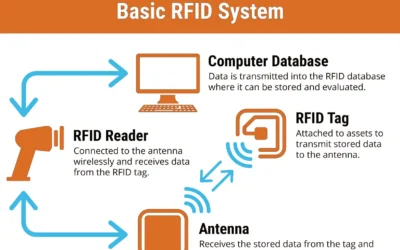
RFID technology uses radio waves to identify and track objects equipped with RFID tags. These tags contain electronically stored information that can be read from several inches to hundreds of feet away (depending on the type of tag) without requiring line-of-sight positioning. RFID systems typically consist of three components: RFID tags (transponders), RFID readers (interrogators), and data processing systems.
Key Differences Between RFID and Barcode

Difference between RFID and Barcode
Reading Mechanism
- Barcode: Requires direct line-of-sight and individual scanning of each item
- RFID: No line-of-sight required; can read multiple tags simultaneously
Read Range
- Barcode: Several inches to a few feet
- RFID: From a few centimeters to over 100 meters (depending on frequency and tag type)
Data Capacity
- Barcode: Limited (typically 20-25 characters for 1D; up to 2-3KB for 2D)
- RFID: Much greater (many RFID tags can store several kilobytes of data)
Comparative Analysis
| Feature | Barcode | RFID |
|---|---|---|
| Initial Cost | Low ($ - $$) | Higher ($$$ - $$$$) |
| Operational Costs | Higher due to manual labor requirements | Lower over time due to automation |
| Reading Speed | One at a time (1-2 seconds per scan) | Multiple simultaneous reads (up to 1000+ tags per second) |
| Durability | Susceptible to damage, smudging, and environmental factors | More durable; can withstand harsh environments |
| Data Modification | Static (cannot be modified) | Dynamic (read-write tags allow data updates) |
| Security | Basic (easily duplicated) | Advanced (encryption options available) |
| Environmental Sensitivity | High (affected by dirt, moisture, lighting) | Medium (some frequency interference issues) |
Business Applications and Use Cases
Ideal Barcode Applications
- Retail point-of-sale systems
- Small scale inventory management
- Document tracking
- Small businesses with limited budgets
- Applications where items are manually handled
- Environments where interference is a concern
Ideal RFID Applications
- Large-scale inventory management
- Supply chain and logistics tracking
- Asset management in complex environments
- Access control systems (using RFID cards)
- Manufacturing and production tracking
- Healthcare patient and equipment monitoring
- Retail inventory with high-volume throughput
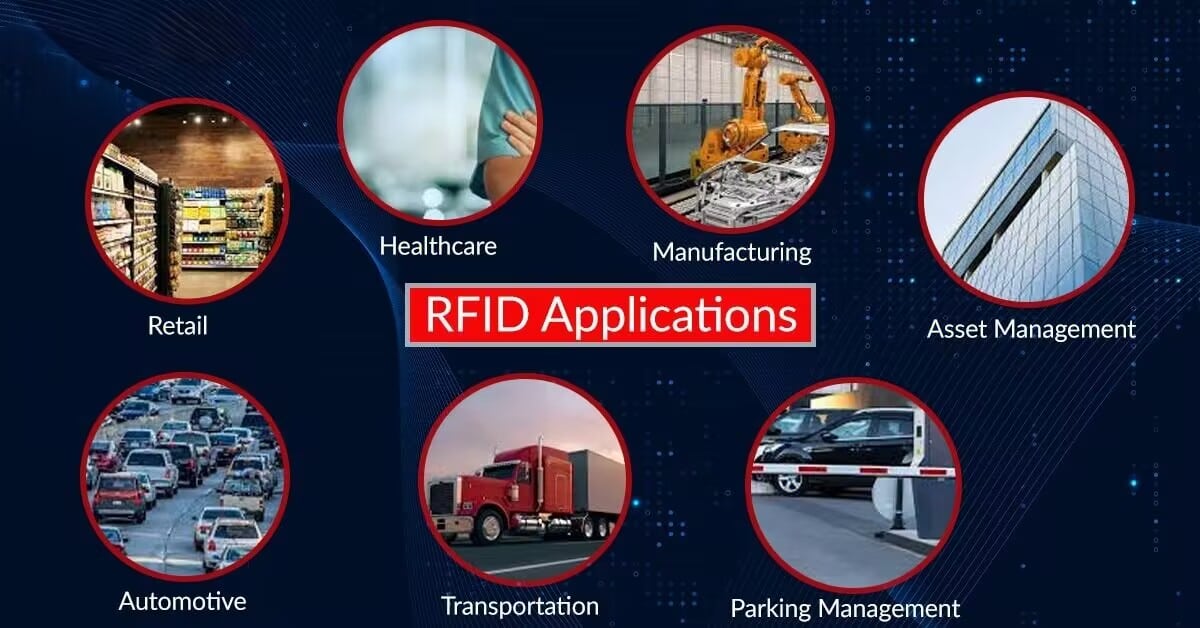
Various business applications of RFID technology
"While barcodes have dominated inventory management for decades, RFID technology is rapidly gaining adoption among businesses seeking higher levels of automation and data-rich tracking capabilities."
How to Choose the Right Technology for Your Business
Consider these key factors when deciding between barcode and RFID systems:
Budget Considerations
If initial investment is a primary concern, barcode systems offer a lower entry cost. However, if you can invest in the short term for long-term operational savings, RFID may provide better ROI through reduced labor costs and improved efficiency.
Volume and Speed Requirements
For high-volume operations where speed is critical, RFID offers significant advantages through bulk reading capabilities and automation potential.
Environmental Factors
Consider your operating environment: RFID tags perform better in dirty or harsh environments where barcodes might become unreadable, but certain materials (metals, liquids) can interfere with RFID signals.
Data Requirements
If you need to store substantial information directly on the tag or require the ability to update data throughout an item's lifecycle, RFID provides capabilities that barcodes cannot match.
Hybrid Approach
Many businesses benefit from using both technologies strategically: RFID for bulk processing and high-value items, and barcodes for lower-value items or customer-facing applications.
Conclusion
Both barcode and RFID technologies offer valuable identification capabilities, but they serve different business needs. Barcodes provide a cost-effective, reliable solution for operations where manual handling is already part of the process and budget constraints exist. Meanwhile, RFID delivers superior automation potential, durability, and data capabilities for businesses seeking to optimize operations and gain competitive advantages through enhanced tracking and visibility.
The best choice ultimately depends on your specific business requirements, operational environment, and long-term objectives. Many organizations are finding that a strategic combination of both technologies provides the optimal balance of cost-effectiveness and advanced capabilities.
For more information about RFID products including RFID cards, RFID wristbands, RFID tags, and RFID readers, visit our product pages or contact our team for personalized recommendations for your business needs.
0 Comments